Antigua
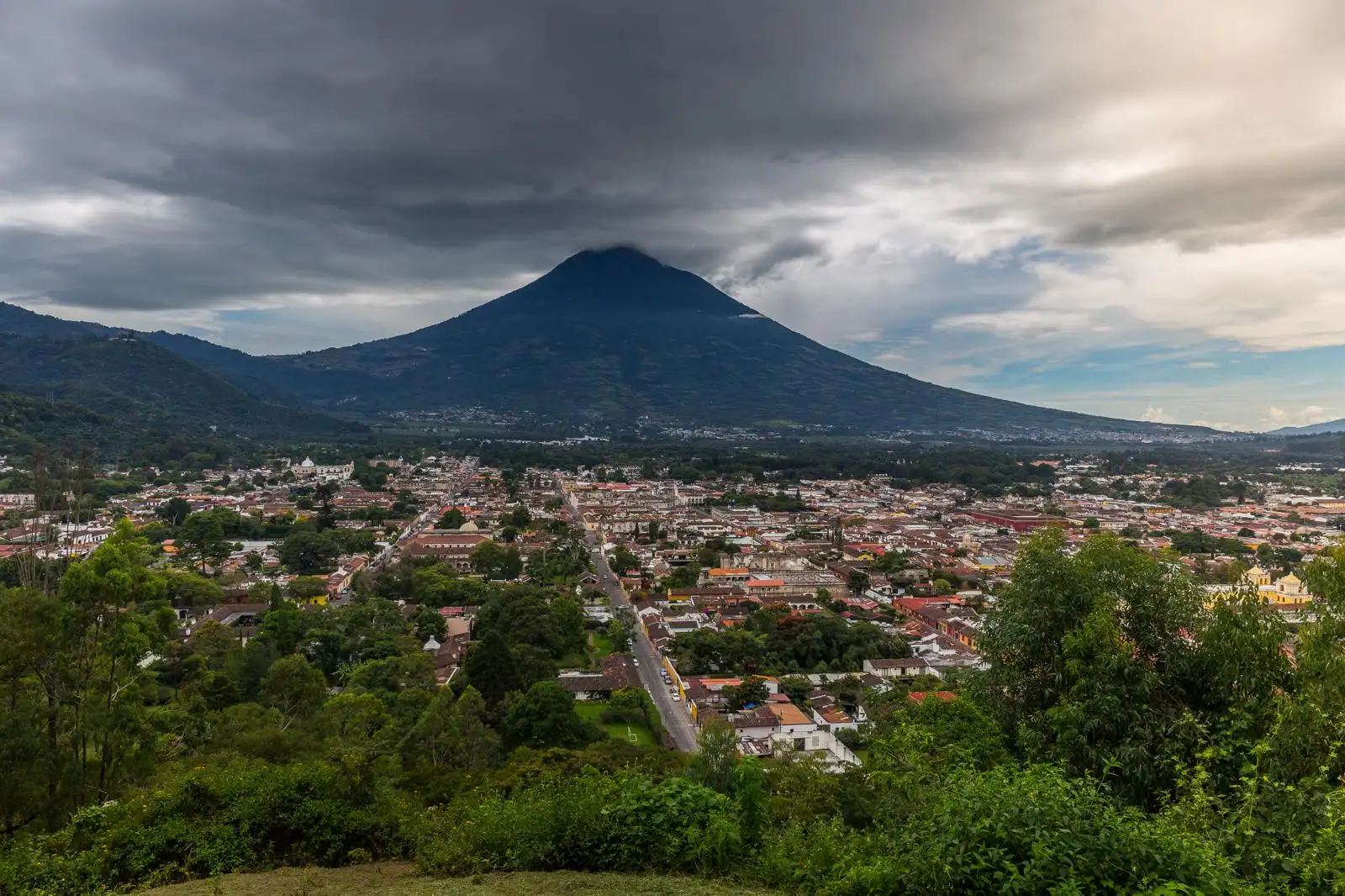
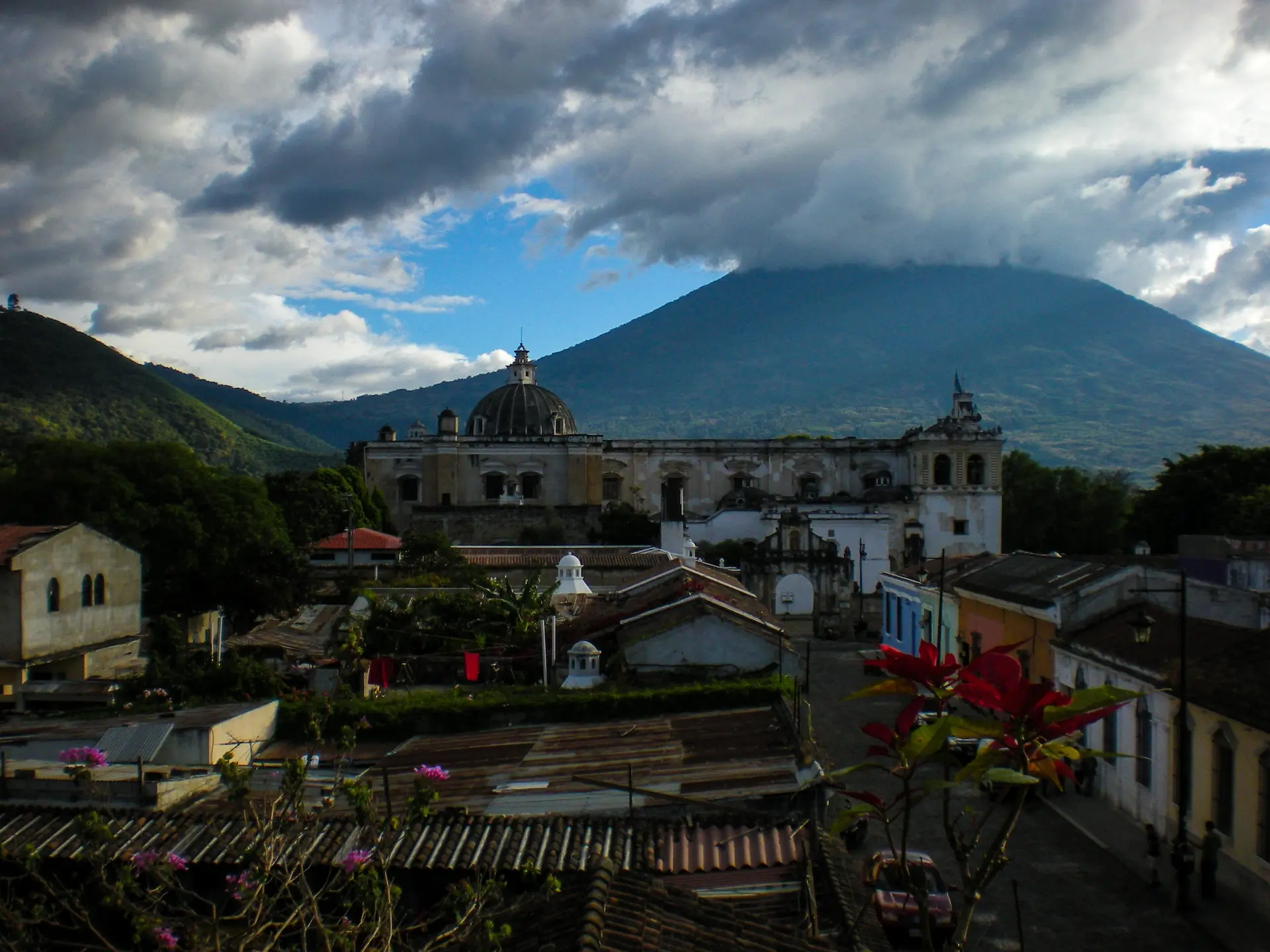
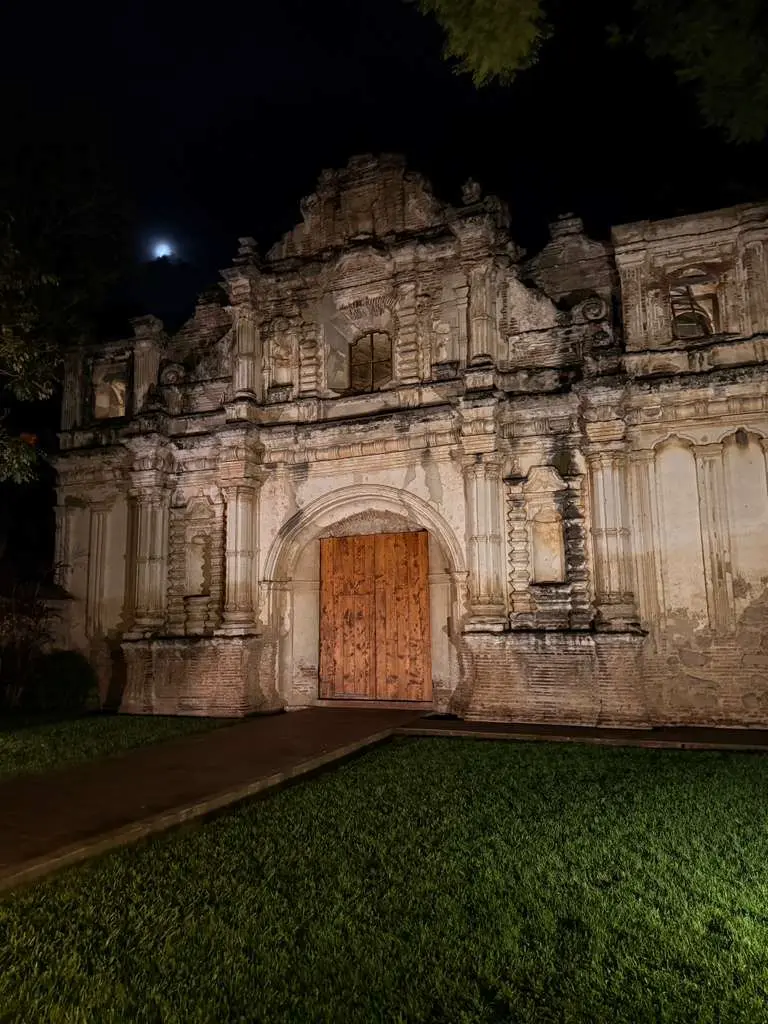
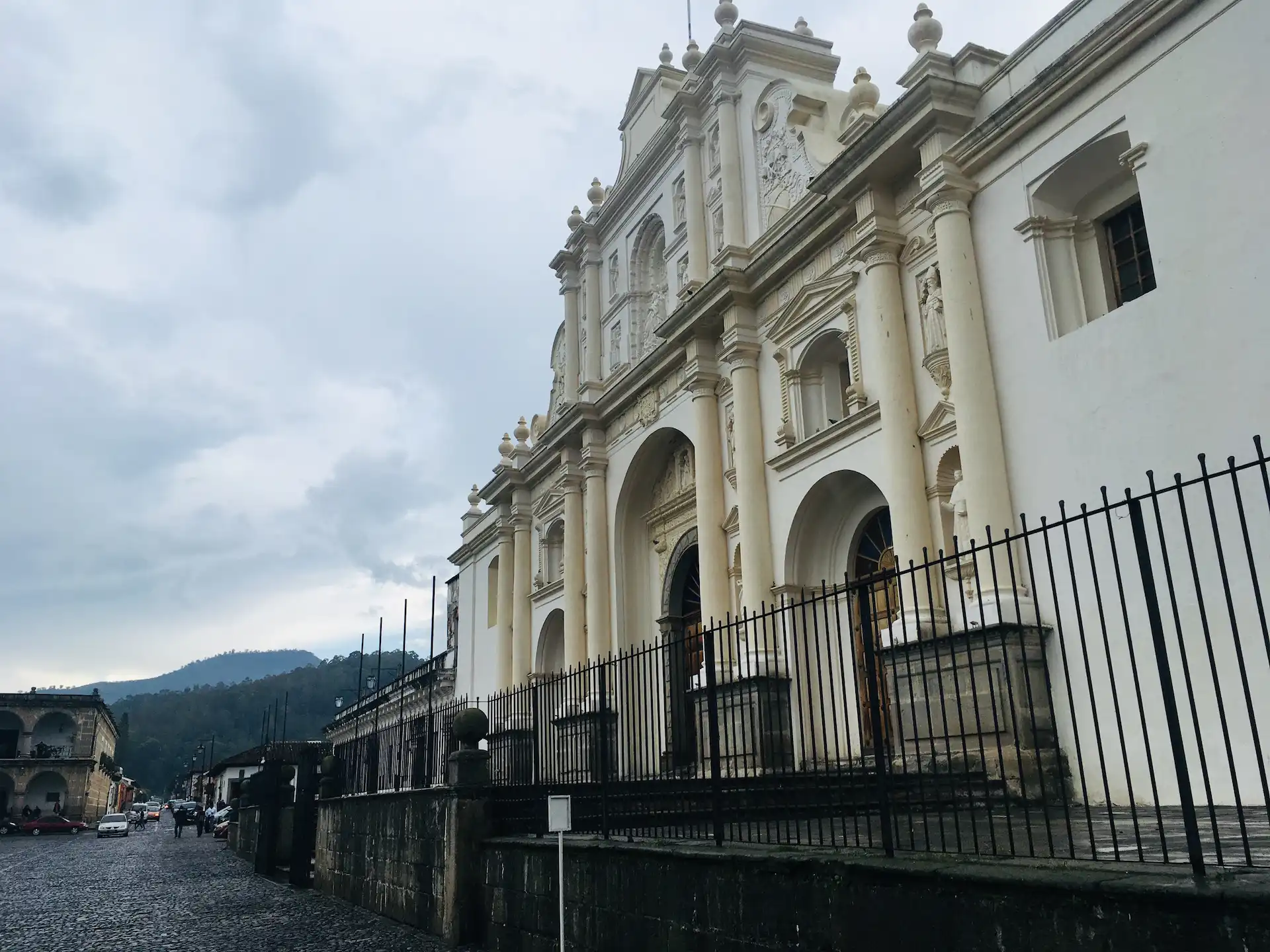
Step into the magnificent Spanish colonial town that once belonged to the Viceroyalty of New Spain, Santiago de los Caballeros, which blends typical 16th-century Spanish architecture with the distinctive earthquake-resistant Baroque style of the 18th century, developed to withstand the constant seismic activity the city endured—some of which severely damaged nearly all its convents and churches.
Founded on March 10, 1543, in the Panchoy Valley by Pedro de Alvarado, and after several attempts and great perseverance by the conquistadors to establish the first Spanish city in this region, the land was ultimately conquered (amid conflicts with ethnic groups such as the K’iche’) with the help of alliances formed with several contemporary Maya groups, such as the Kaqchikel, and the participation of Mexican groups who fought alongside the Spanish during the conquest, including the Tlaxcalans and Cholultecans. In total, these forces numbered more than three hundred soldiers from Mexico and even bestowed the toponym on this new land as “Place Among Forests” —Goathemalla.
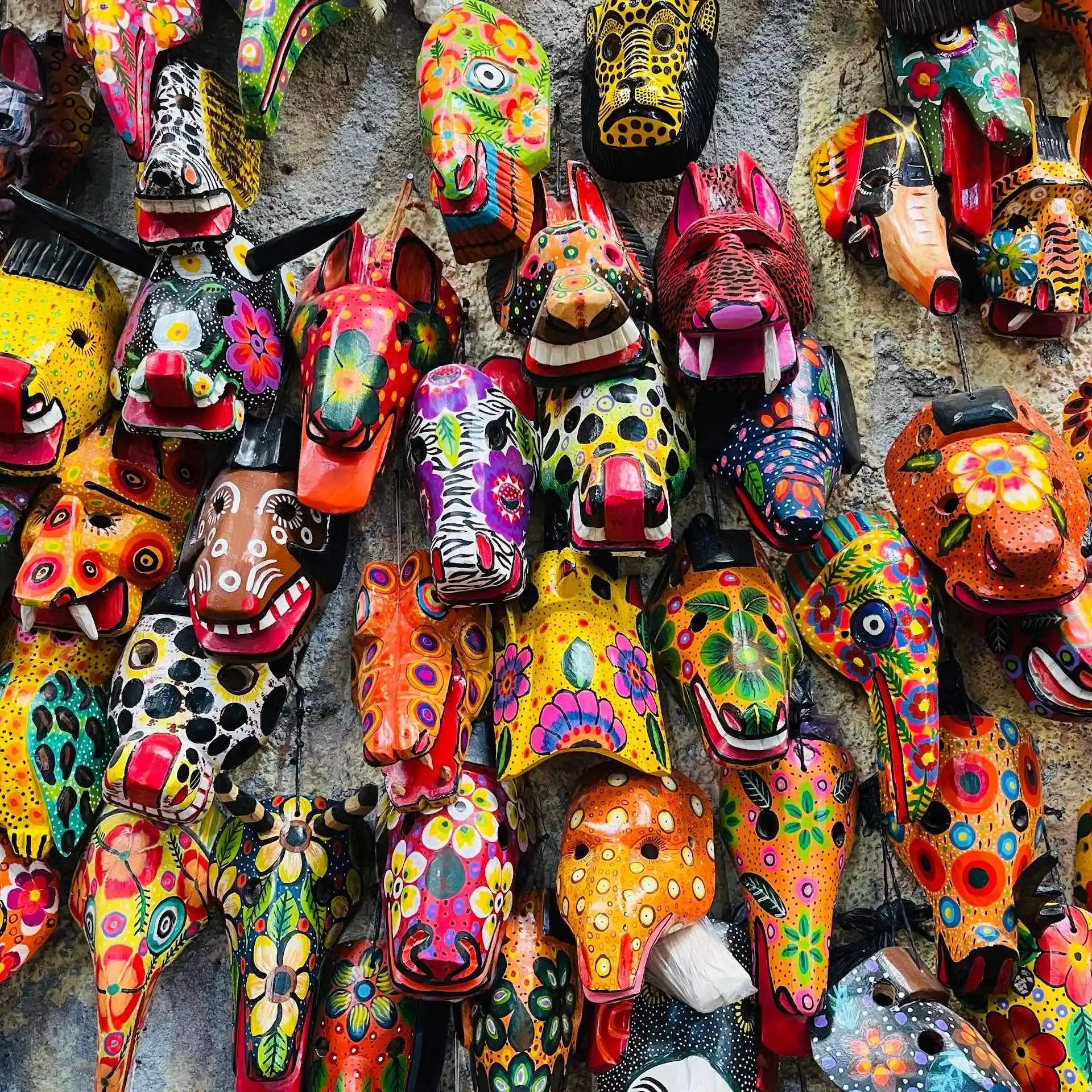
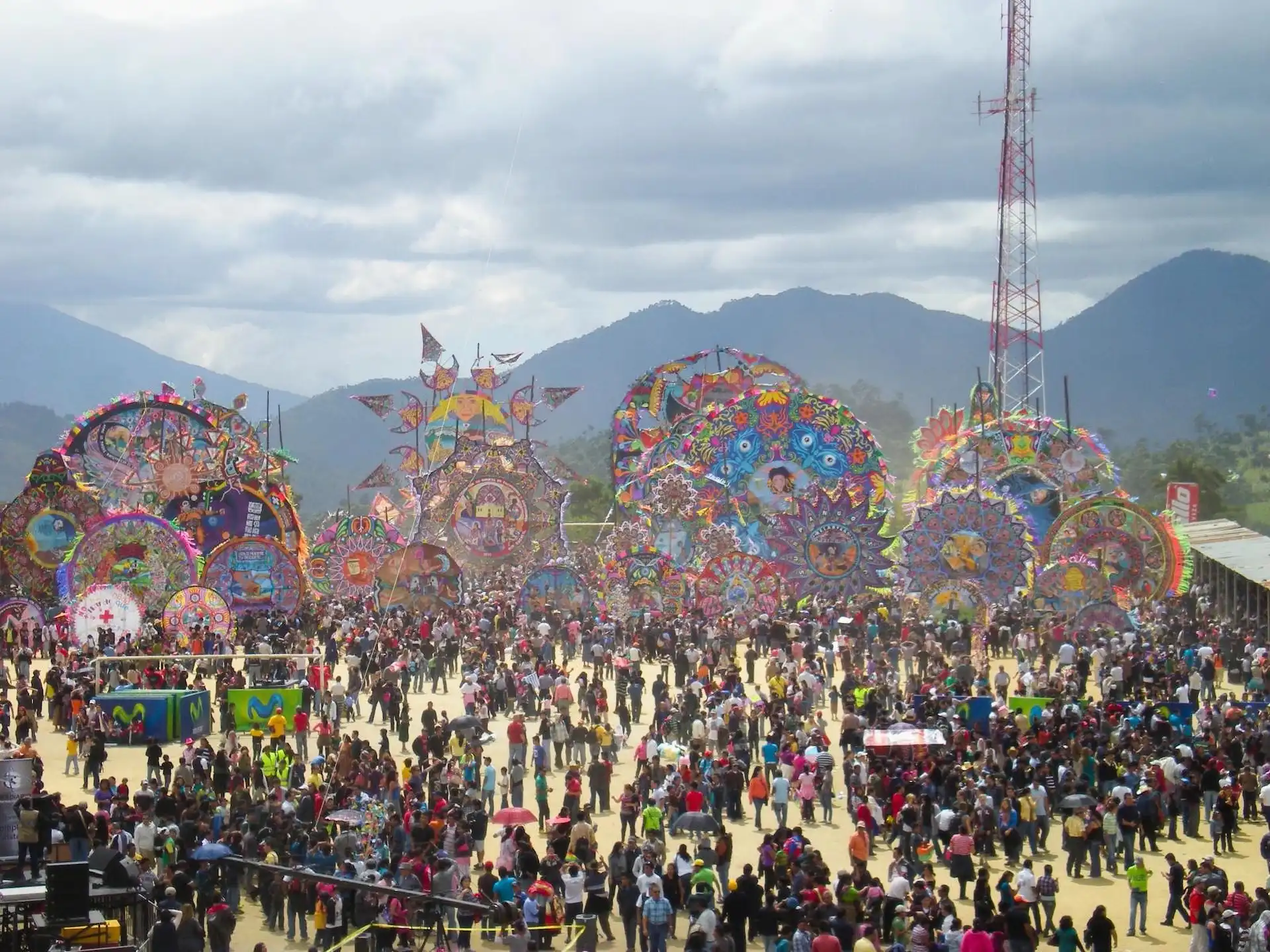
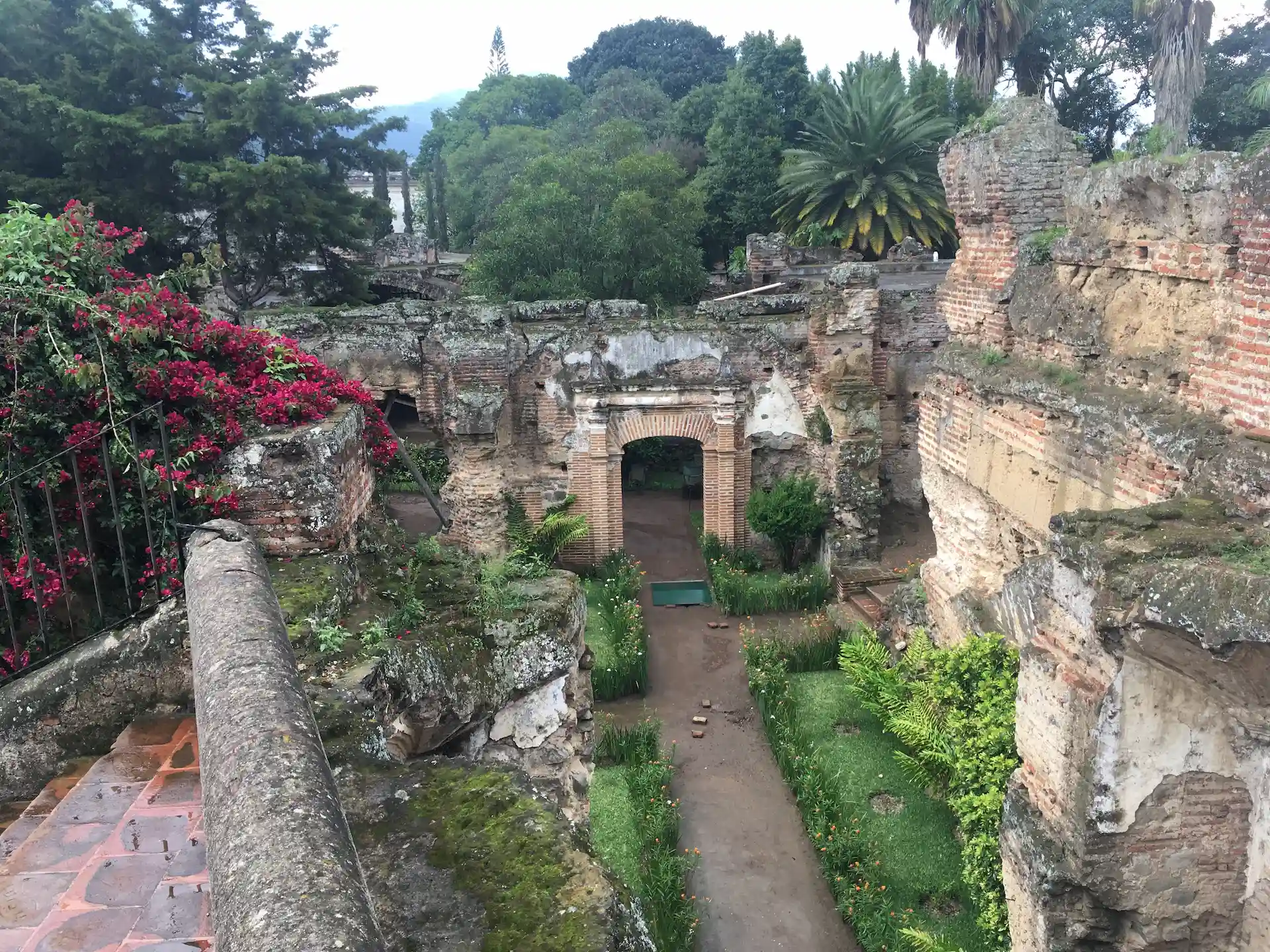
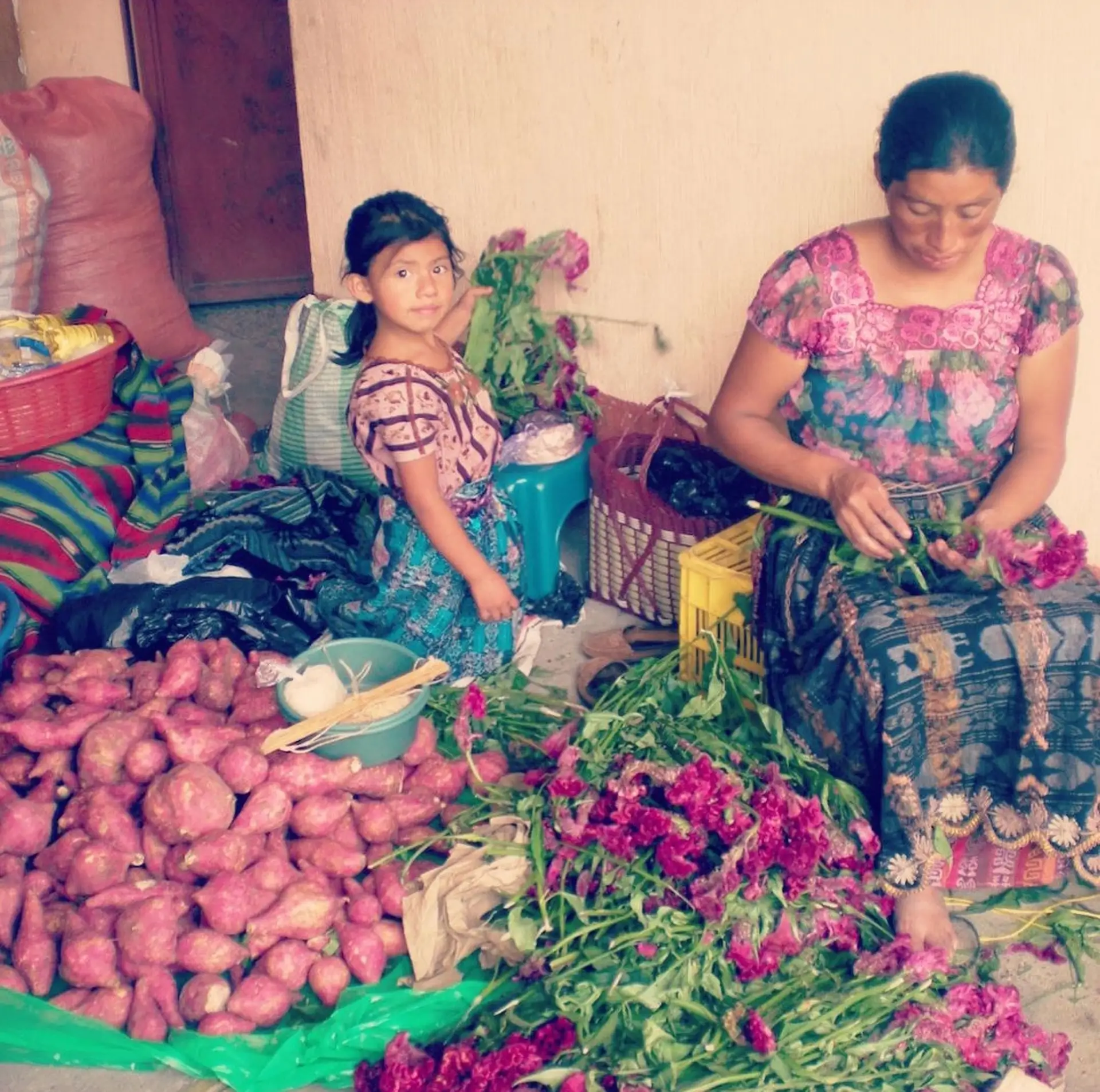
In Antigua, one can admire colorful houses adorned with flowers and distinctive colonial-style chimneys, cobblestone streets, and the ruins of colonial convents, all of which blend seamlessly with the modern city’s cosmopolitan restaurants and indigenous art shops. Tourism continues to grow as visitors come to experience the religious ceremonies and folkloric dances of this beautiful city. As part of the tour, we will visit convents such as San Francisco, Santa Clara, and Santo Domingo; see El Carmen, the Plaza and Cathedral; and finally the Convent of La Merced, in order to clearly distinguish the earthquake-resistant architecture developed over a span of 200 years.